An energy-neutral home consists of a carefully coordinated set of components. Each component makes a distinct contribution, working in tandem with the others. Let’s go through them one by one.
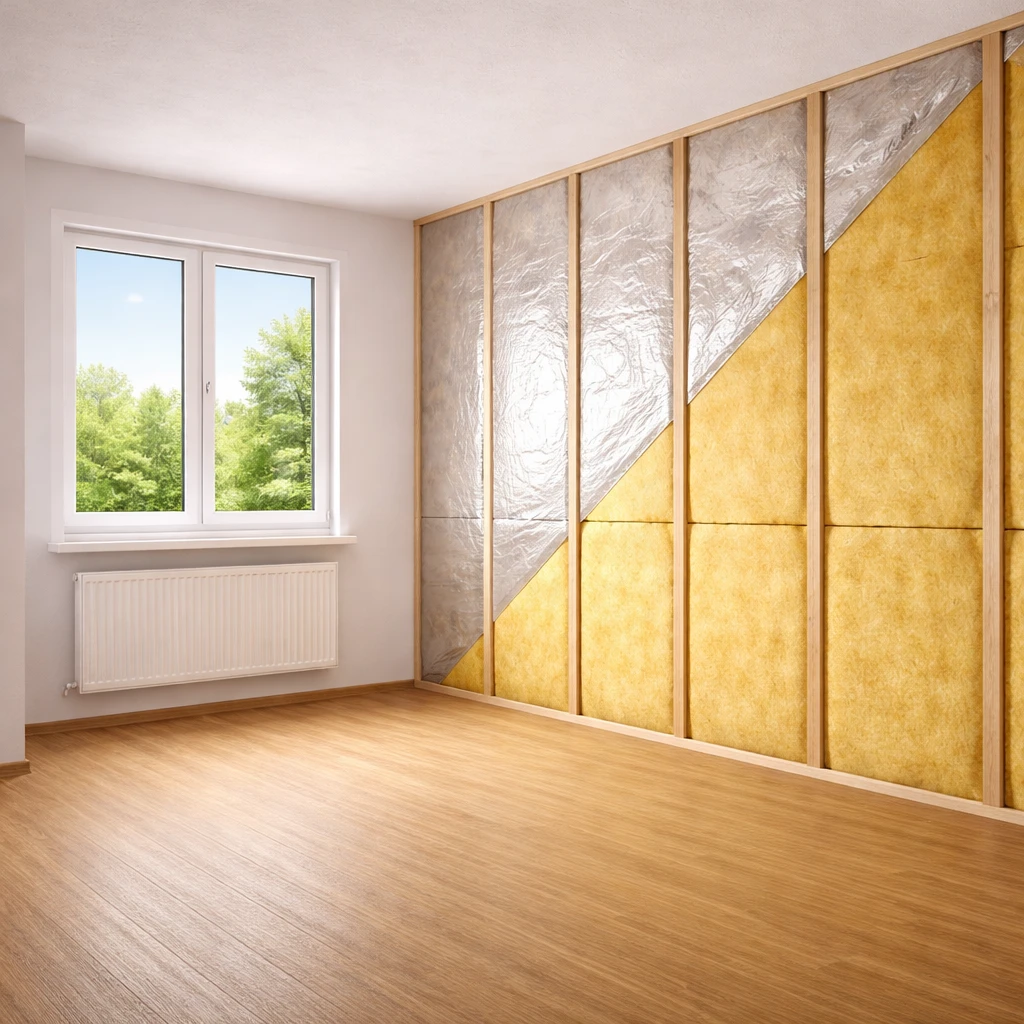
In most cases, insulation is the easiest way to improve sustainability, with a short payback period. This includes floor, wall, roof and window insulation. Insulation is always cost-effective!
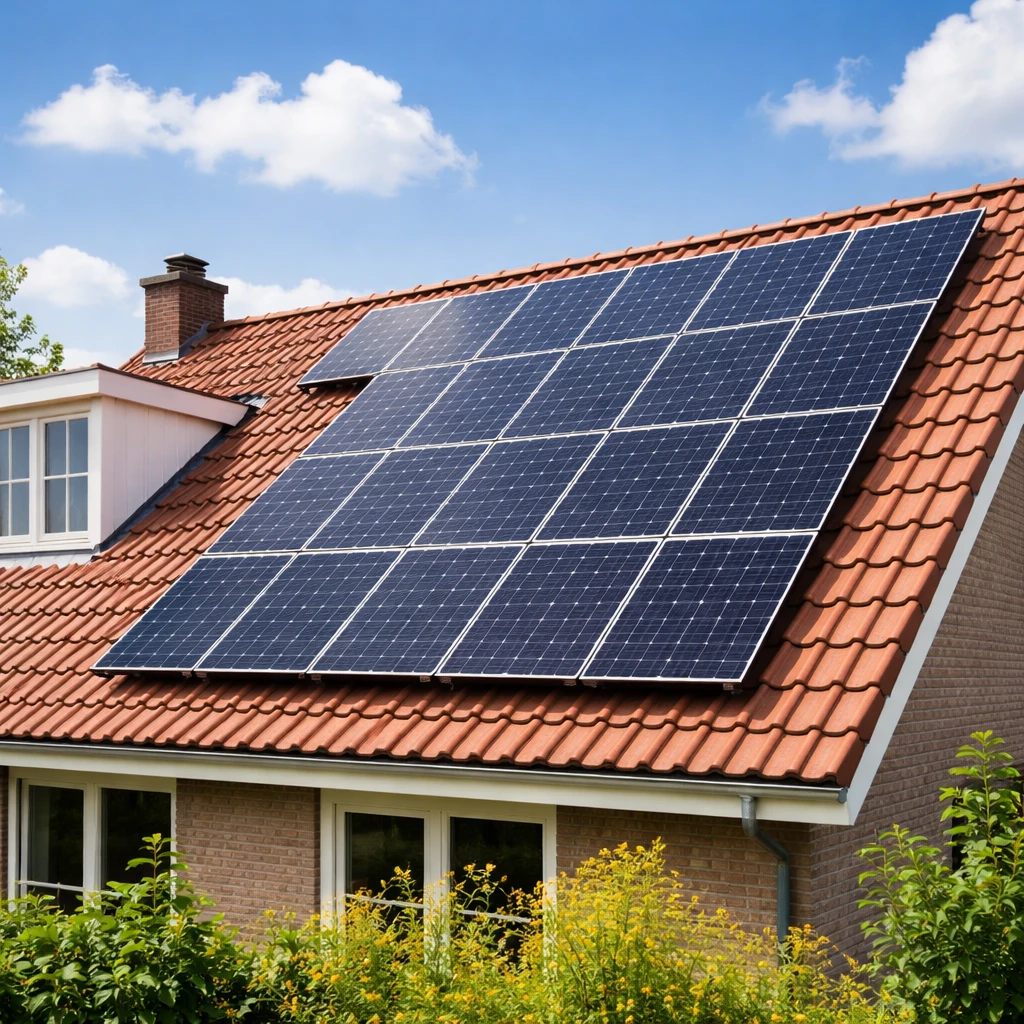
The cleanest energy is, of course, the energy you generate yourself using your own solar panels. Unfortunately, this isn’t possible for every home.
On sunny days, electricity is sometimes literally worth nothing or less than nothing.
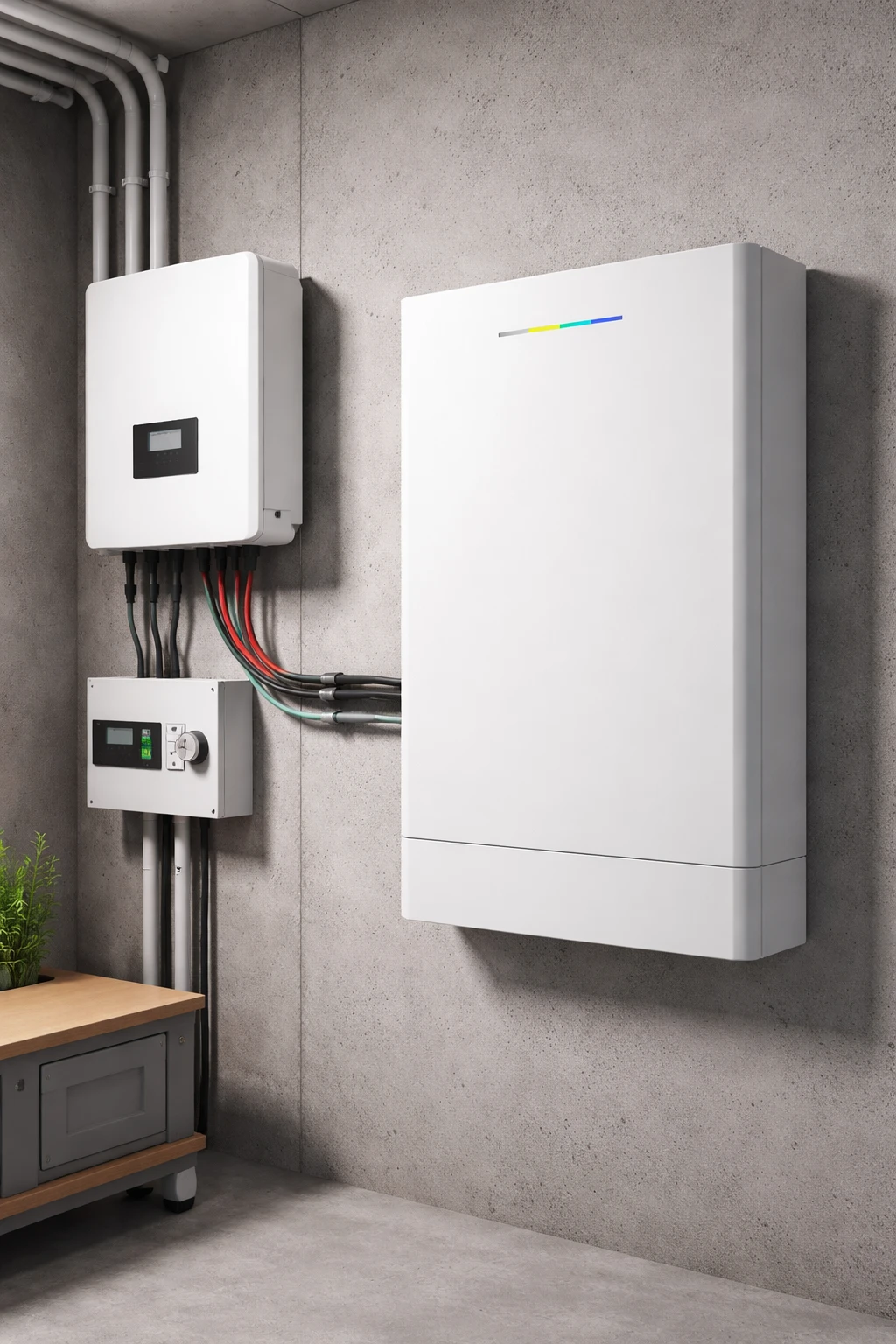
You can solve this with batteries. These allow you to store energy during the day, which you can then use in the evening or feed back into the grid when the price is higher. You can also use them to buy electricity on overcast days, when it is cheap, so that you don’t have to purchase any when prices are high.
With batteries, not only will your electricity bill be significantly reduced, but you will also be contributing to a more stable electricity grid.
With a small additional investment, you can even use your own battery power if the mains supply fails.
Traditional ventilation blows air at the right temperature out of the building and draws fresh air at the wrong temperature back in. That’s a huge waste!
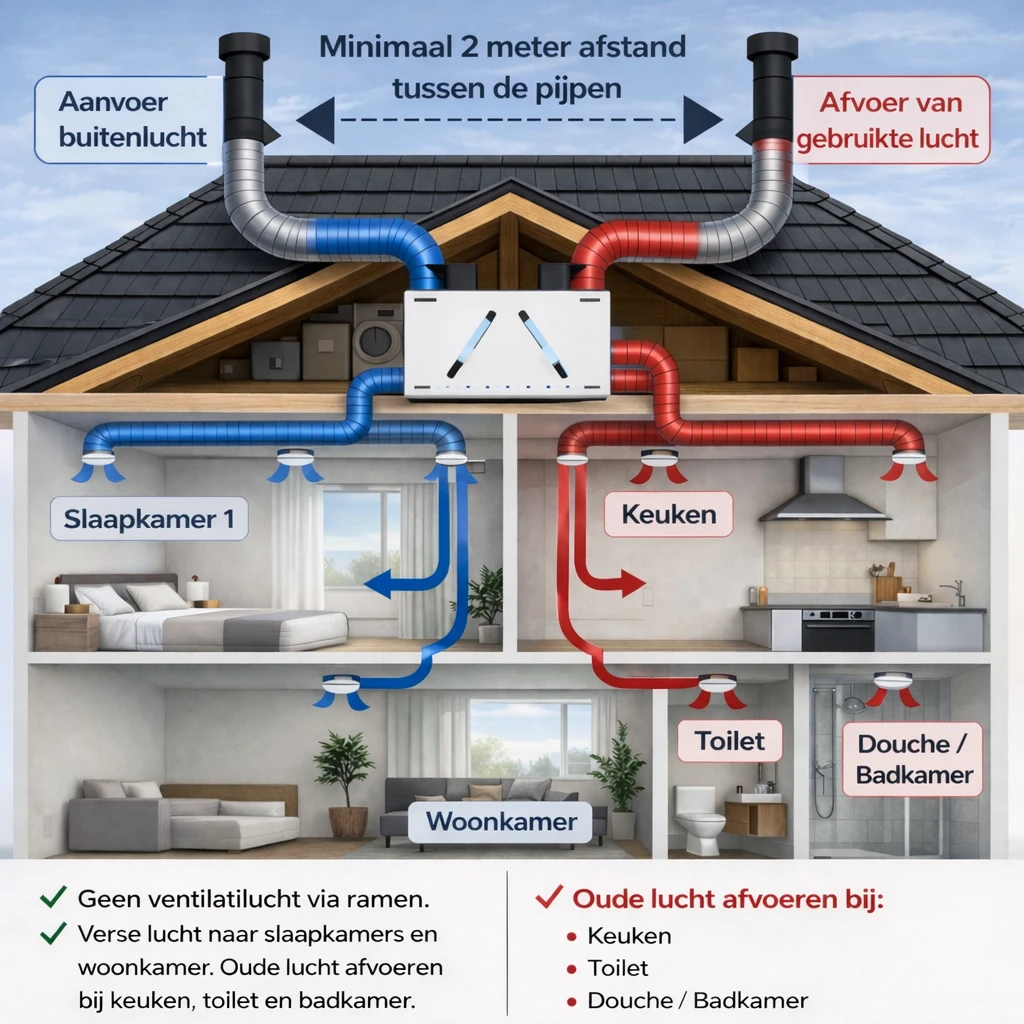
Balanced ventilation creates a very pleasant indoor climate. All incoming air is automatically filtered. This is a godsend for people with asthma or other sensitivities to poor air quality.
A balanced ventilation system extracts energy from the outgoing air and transfers it to the fresh incoming air. Its efficiency is usually between 70% and 95%.
On cool summer nights, you can switch off the heat exchange and cool your home for free using cool outside air. With many balanced ventilation systems, this happens automatically as soon as the outside temperature drops below the inside temperature in the evening.
Installing a balanced ventilation system in an existing home can be quite a challenge, as ventilation ducts need to be fitted throughout the property to bring in fresh air and extract stale air.
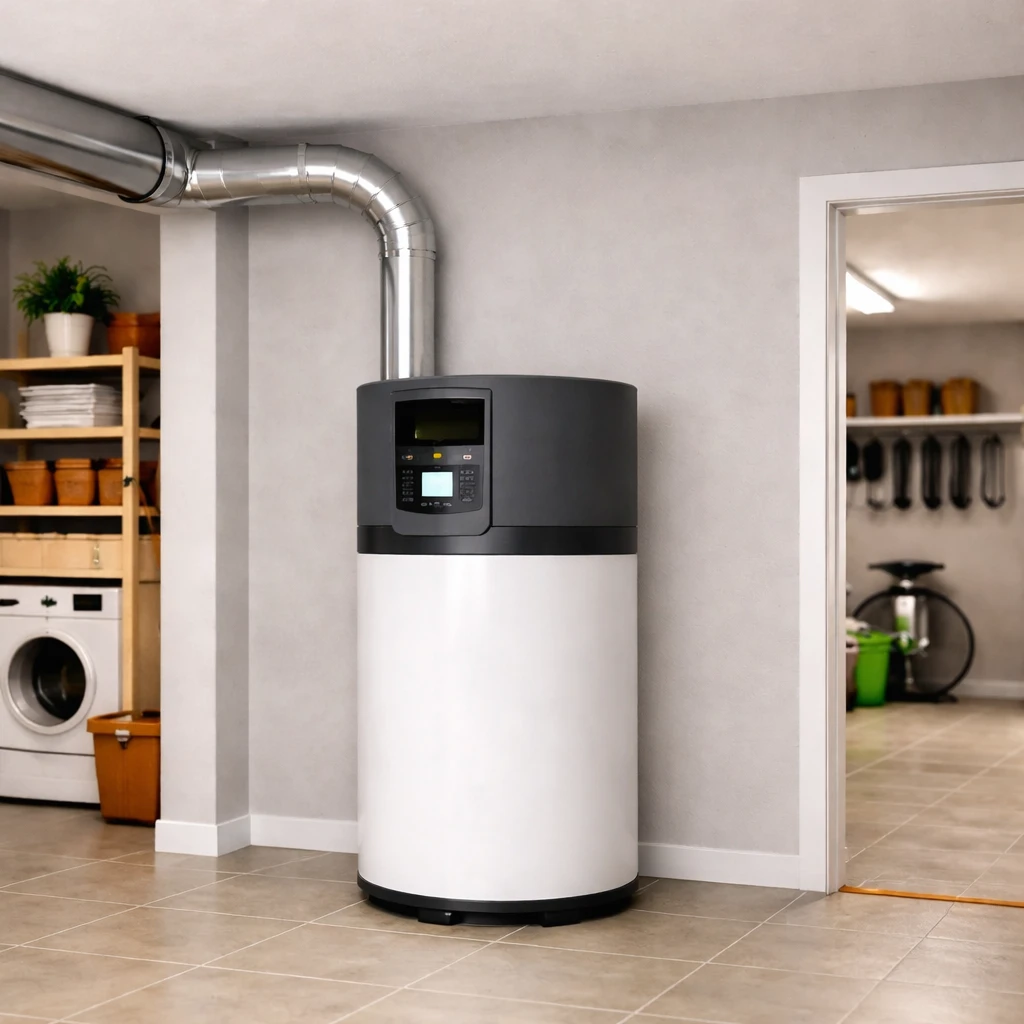
In addition to a balanced ventilation system, you may also wish to install a heat recovery boiler. A heat recovery boiler extracts heat from the exhaust air produced by the balanced ventilation system. As the heat recovery boiler extracts heat from the return air, which is around 20 degrees, to heat the water to 40 or 50 degrees, it is the most efficient way to produce hot water.
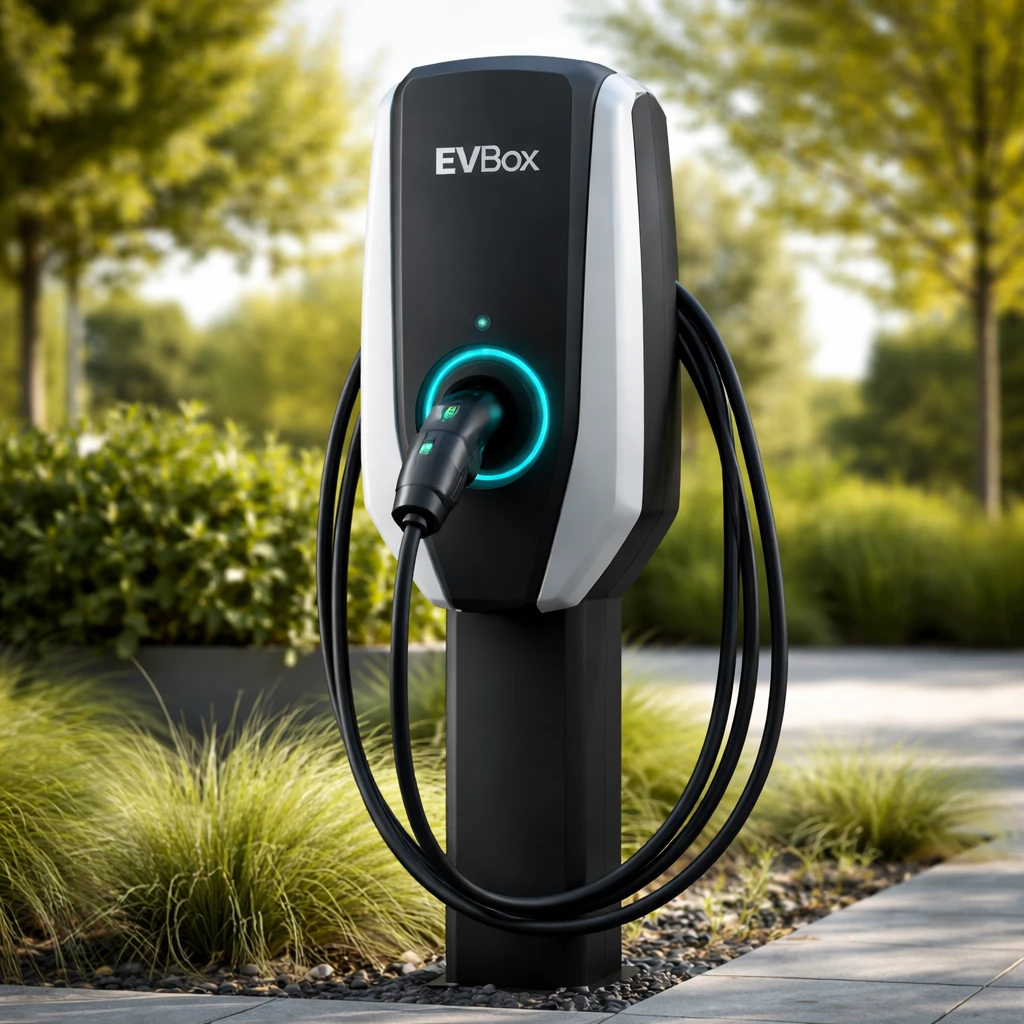
Having your own charging point completes the picture. You can use surplus electricity from your solar panels to charge your electric car. With some charging points, it’s even possible to charge your car only when there is a surplus of electricity from the solar panels.
With two private wells, each at a depth of 50 metres or more, you can pump water at a temperature of around 12 degrees all year round. In summer, this is cool enough to keep the house cool without a heat pump
If your home is exactly energy-neutral, you will have a surplus of energy half the time and a shortfall the other half. That is why it is better to ‘oversize’ generously using the measures outlined above. This means your home will, on balance, produce more energy than you need. As a result, you will not need any external energy for 8 or 10 months of the year, and will only need to draw energy from the grid for a few months of the year.
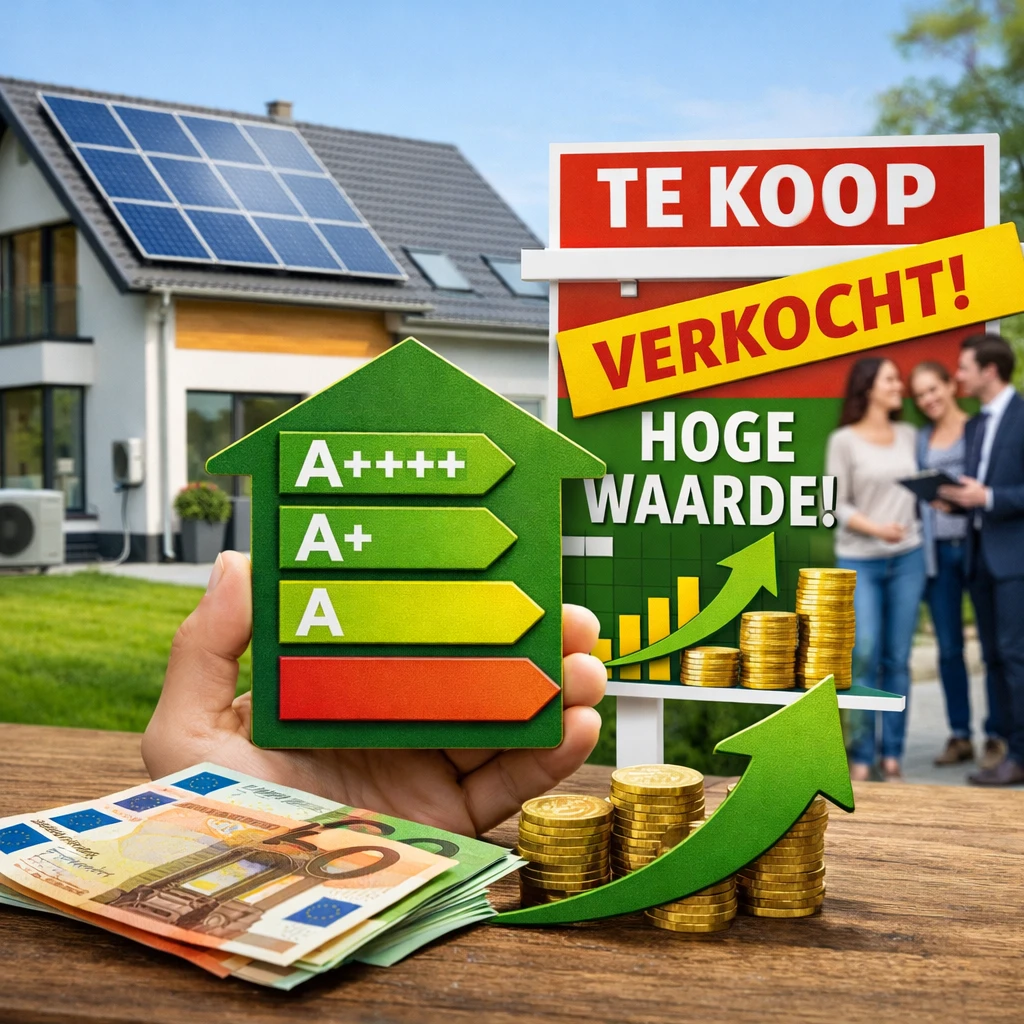
If your home generates more energy than it consumes, you can have it certified with an A++++ energy label.
If you sell your home, your investment in sustainability measures won’t go to waste. A home that has undergone well-executed sustainability improvements is worth significantly more when sold.


